
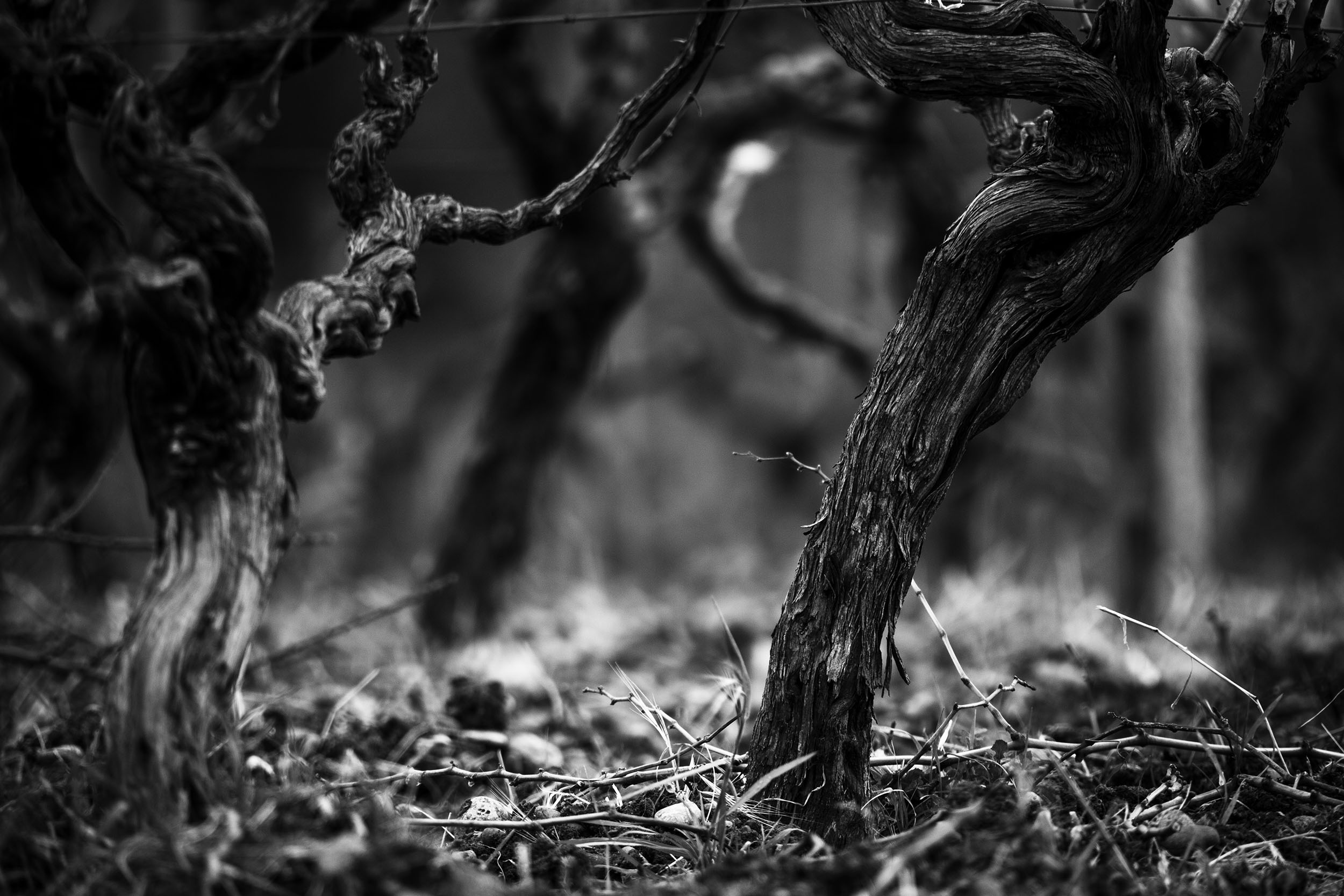
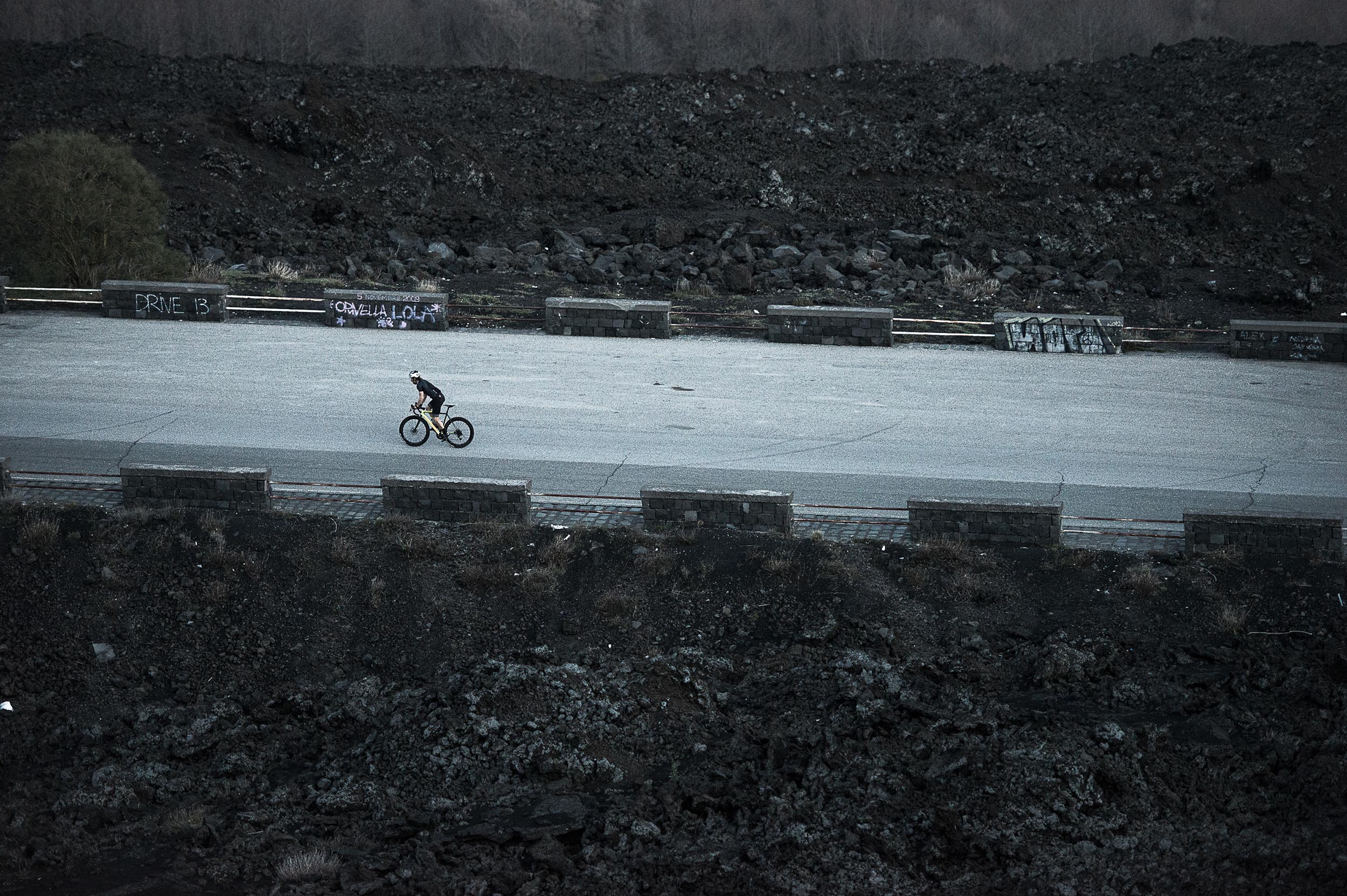
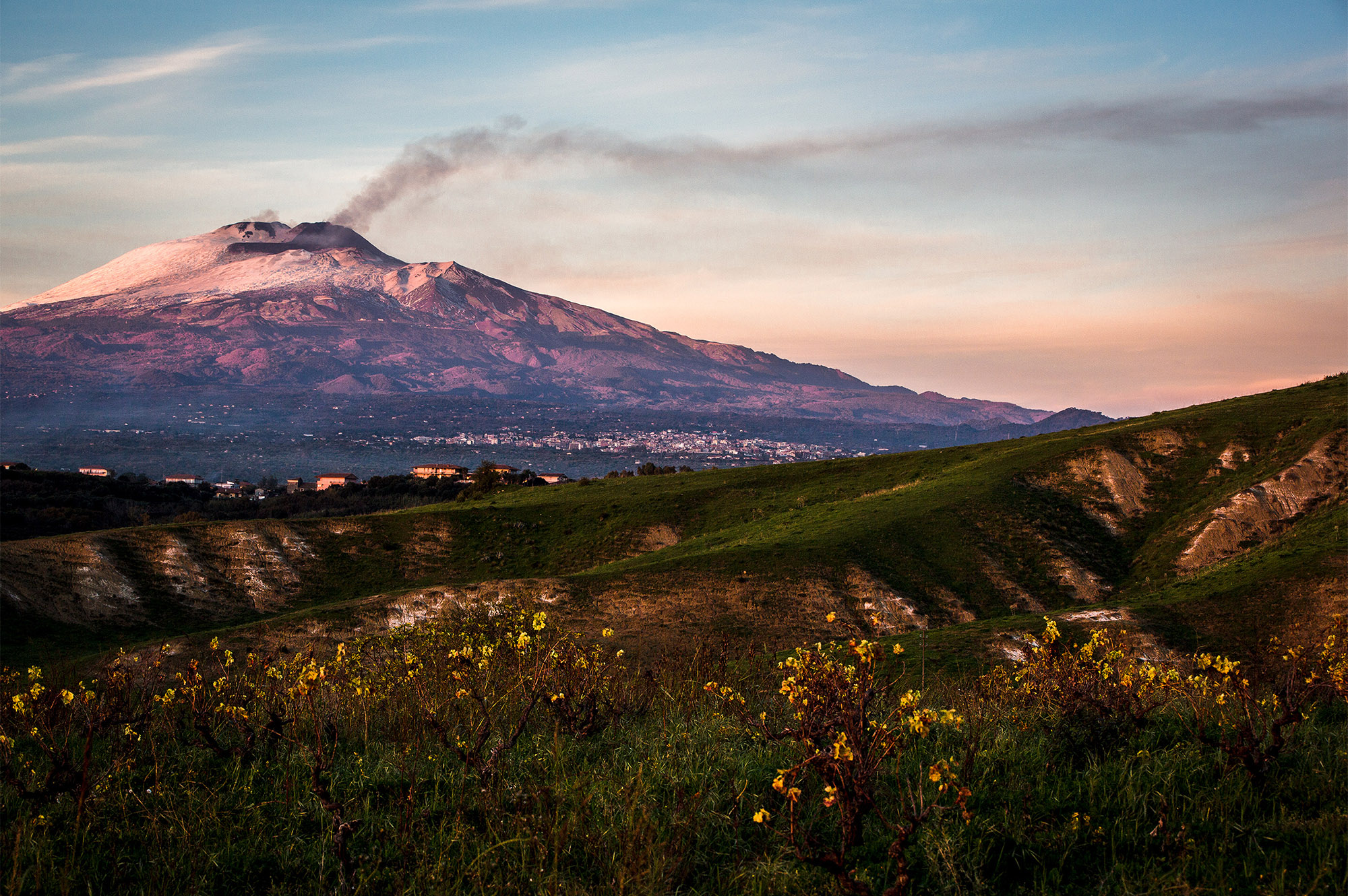
But it was on a bike training ride that I discovered something I had never noticed before. On the southern slopes of Mount Etna, I came across a hidden piece of land, surrounded by vineyards and watched over by the mountain itself.
As I stood there looking across the vines towards the peak of Etna, I knew I had found the place where I wanted to build a home for my family. At the time, I had no idea that this piece of land would become the beginning of something much bigger.
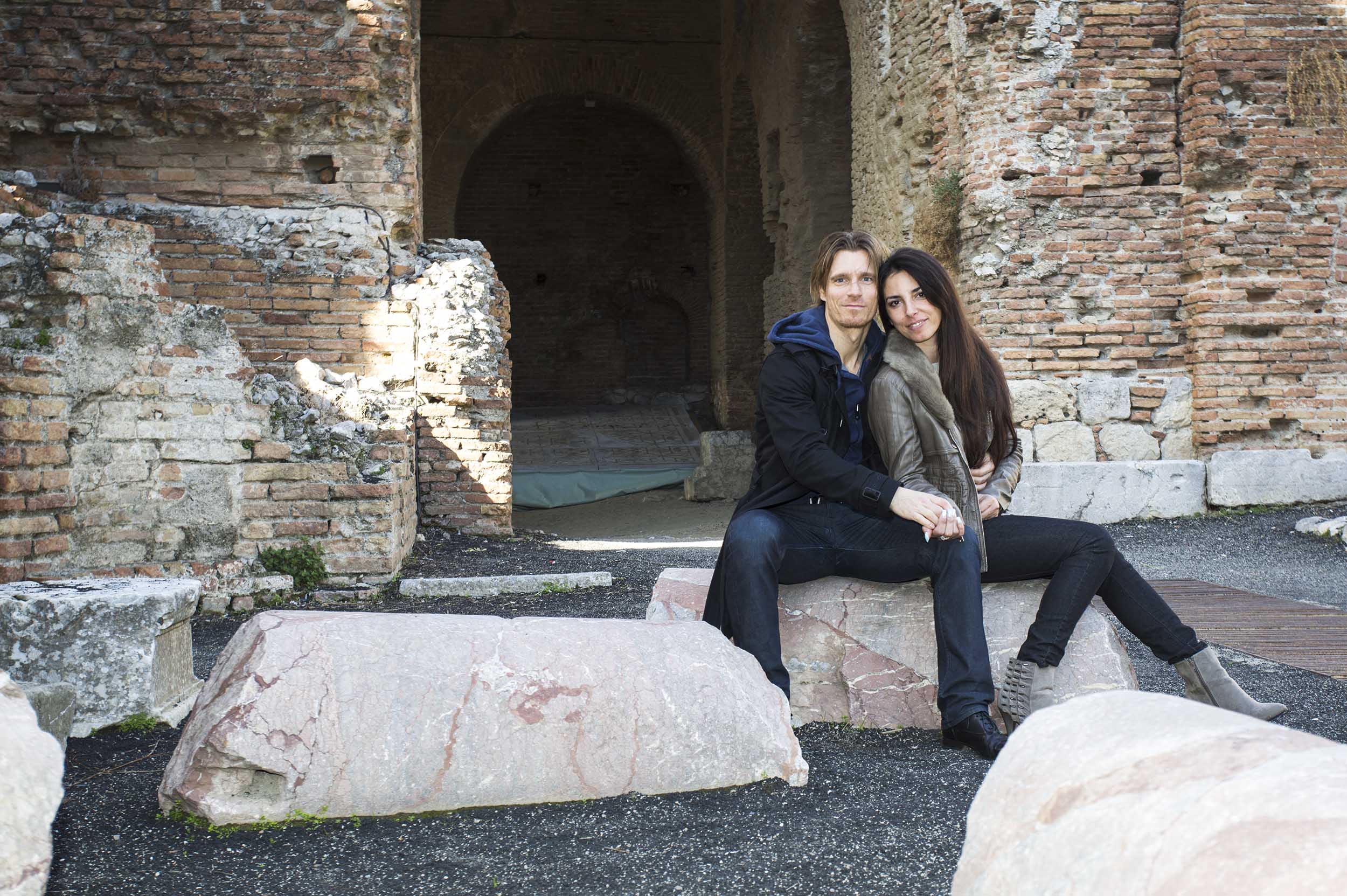
The land lies on the southern slopes of Mount Etna, shaped by the volcano and the Mediterranean climate. It is beautiful, but it is not an easy place to farm. Stones, steep slopes, intense heat and long periods without rain are part of everyday life here — and they are part of what gives the vineyard its character.
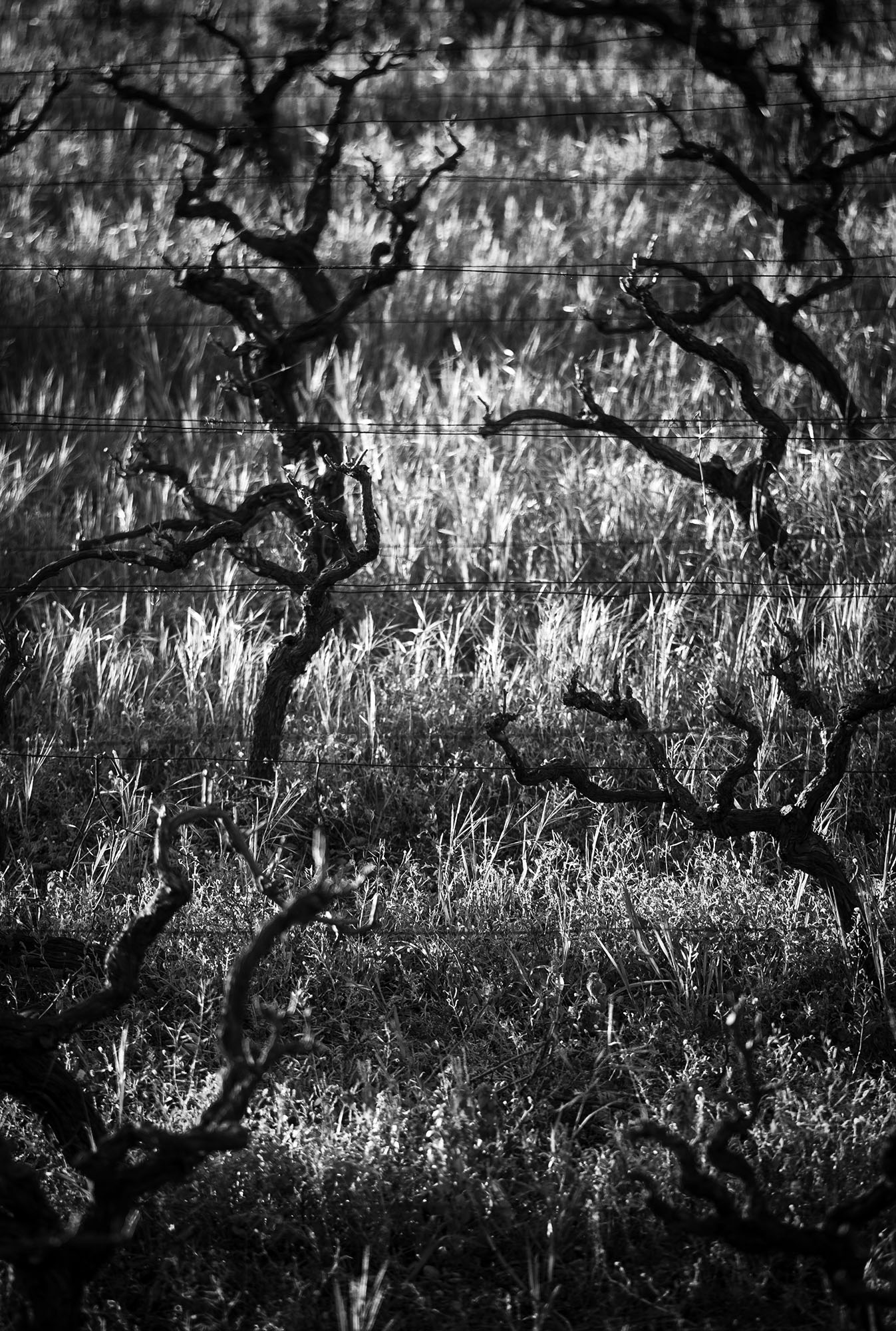
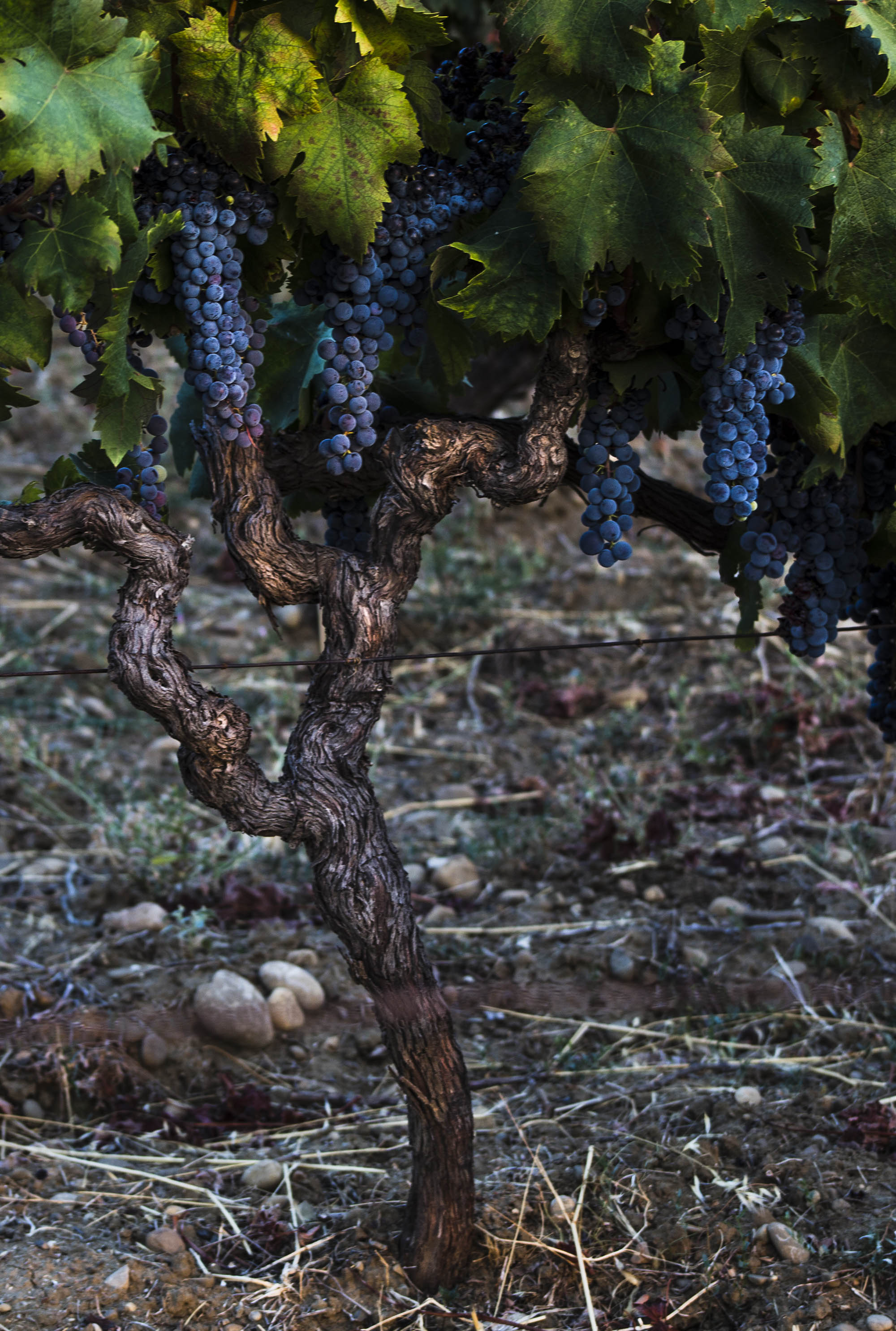
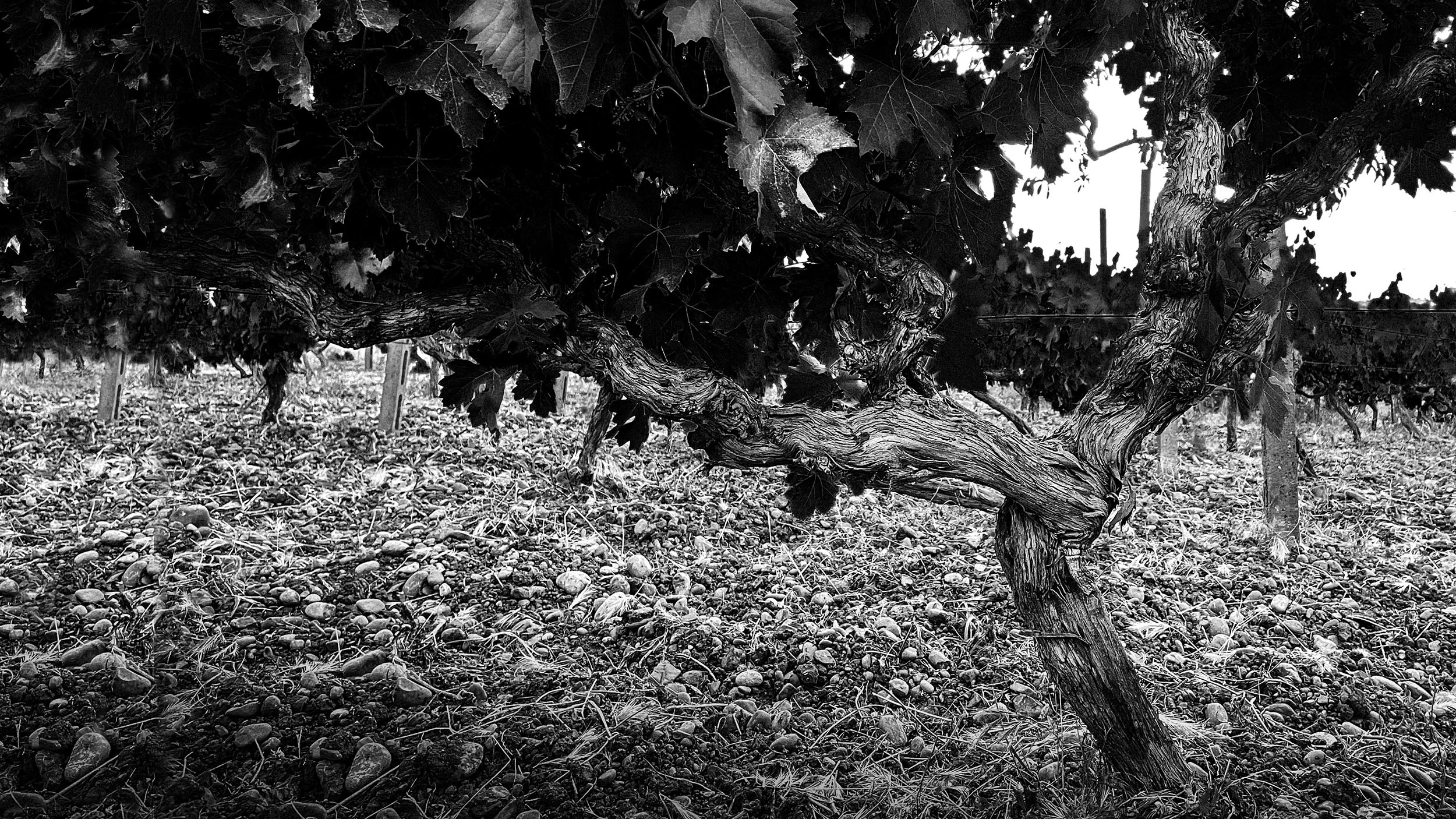
For more than a century, this land has been home to Nerello Mascalese vines. There were once far more of them than there are today, covering much of the hillside before large fires destroyed a significant part of the old vineyard.
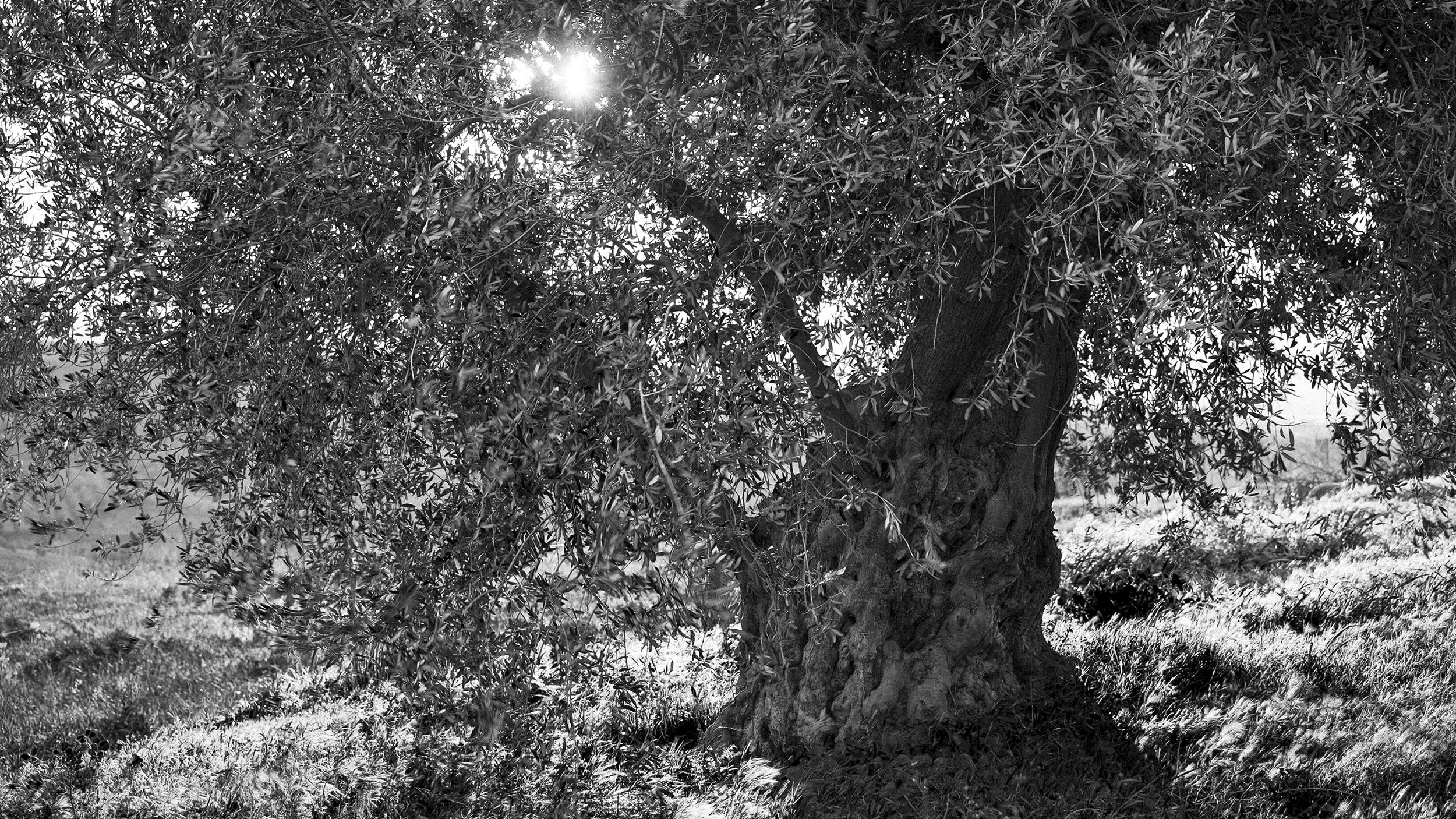
The generations of Sicilian farmers who worked this land before us seemed to have an instinct for it. They knew which soils were worth planting, and they understood that the same land that could nurture strong, characterful vines could also produce exceptional olives. Long before we arrived, they had already discovered what the land was capable of giving.
Until around twenty-five years ago, the grapes grown here were made into wine in the old palmento — the traditional stone winery that still stands on the property. During the harvest, farmers would bring the grapes into the palmento and tread the clusters by foot, allowing the must to flow naturally into the large fermentation vats below.
But when we first saw the vineyard, the grapes were being turned into ordinary must in a small, dilapidated shed, and something about that felt wrong. We believed these old vines deserved another chance — not to be changed into something else, but to be understood and allowed to express the place they came from.
I asked my friend, the renowned Danish winemaker Peter Vinding Diers, to taste the grapes and must. His response confirmed what I had begun to believe — that these old vines had something special to say.
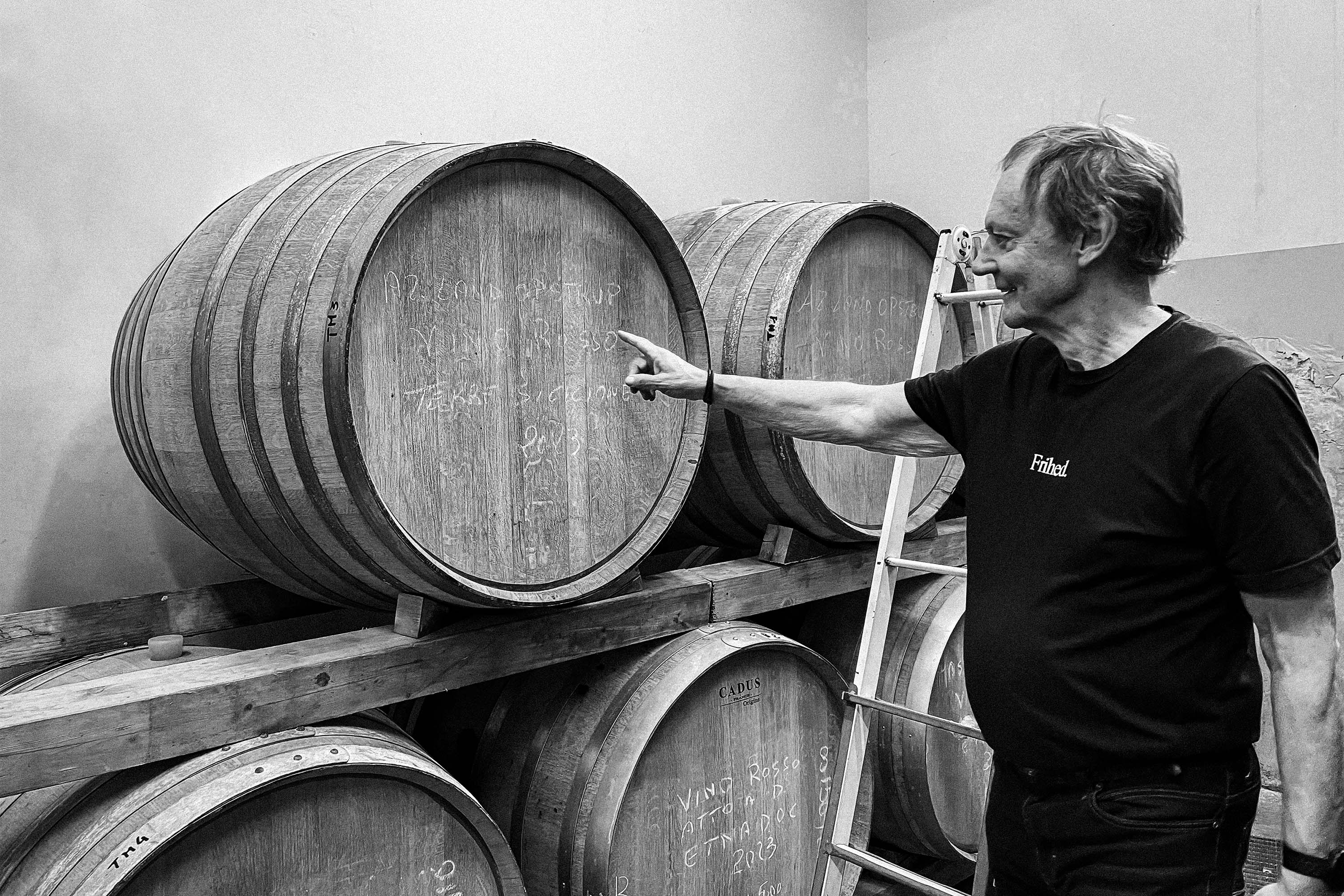
The palmento eventually fell silent, but its history remains part of the land. Today, we have given the lower vat a new life as our wine cellar, turning a place once used to receive the harvest into a place where the wine is now given time to mature. In this way, the past has never really disappeared. It is still here — in the vines, in the olive trees, in the stone walls and in the old palmento. We are simply adding our own chapter to a story that began long before us.
Almost by accident, I discovered something else the land could give. The first time I tasted true olio nuovo — nothing like the olive oil I had grown up with in Denmark — I knew I had to bring it home.
It started small: a hand rake, a net, and countless trips to the frantoio. What began as a personal obsession quickly became something people kept asking for, year after year. Today we even press olives from our neighbour's grove, simply to keep up.
Wine and oil are, in the end, not so different. Both come from the same land, and both reward the same kind of attention — the kind that comes from truly caring about what you taste.
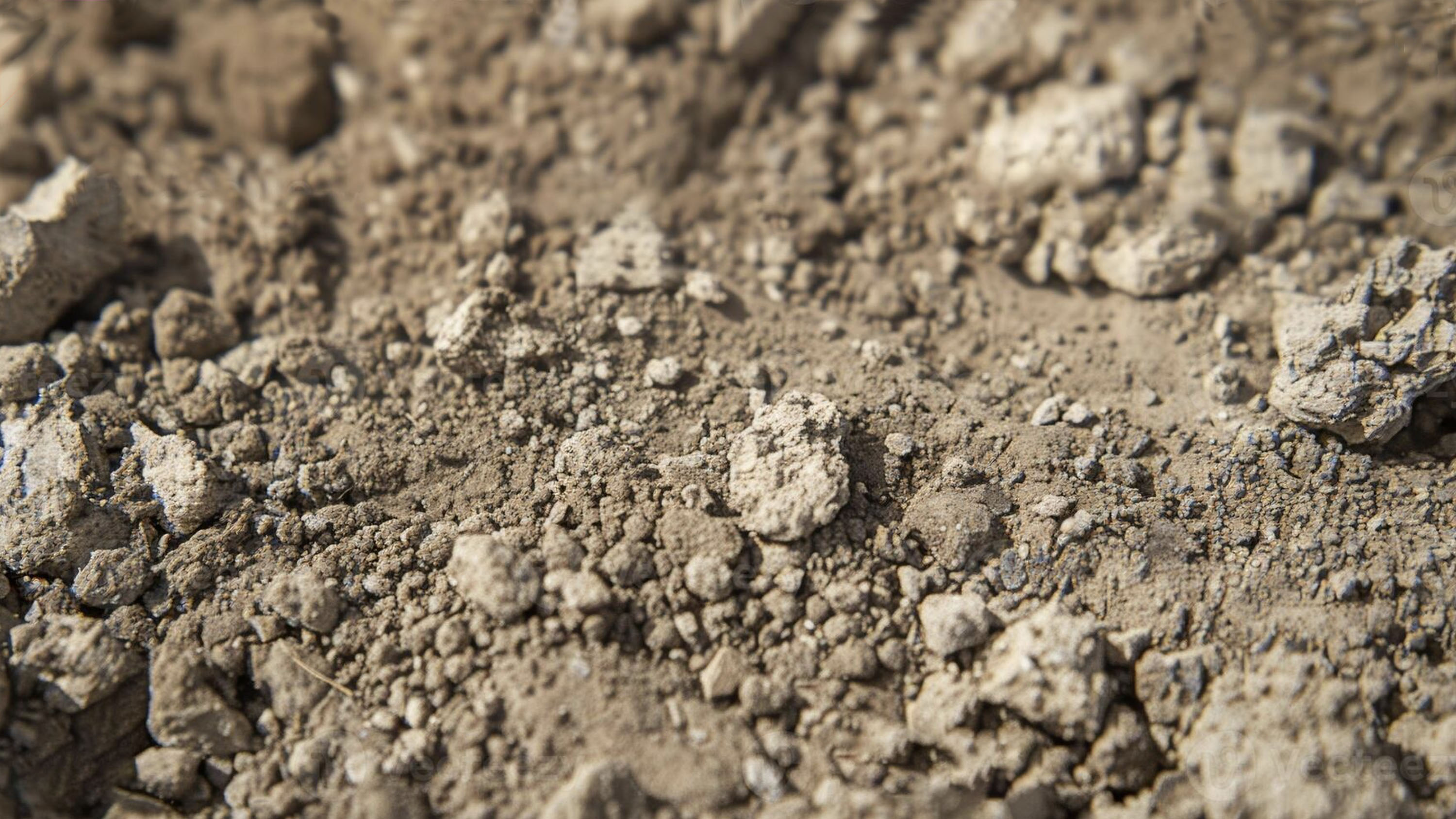
Our land is certified biologico, the Italian standard for organic farming, and we choose to work with the natural balance of the land rather than push it for production. We allow nature to play its part — from the soil and the weather to the wild plants growing among the vines and olive trees.
This also means that no two vintages are exactly alike. Each year brings its own conditions, its own rhythm and its own expression of the land. We do not try to make everything taste the same. We want our wine and olive oil to reflect the place they come from, and the season in which they were made.
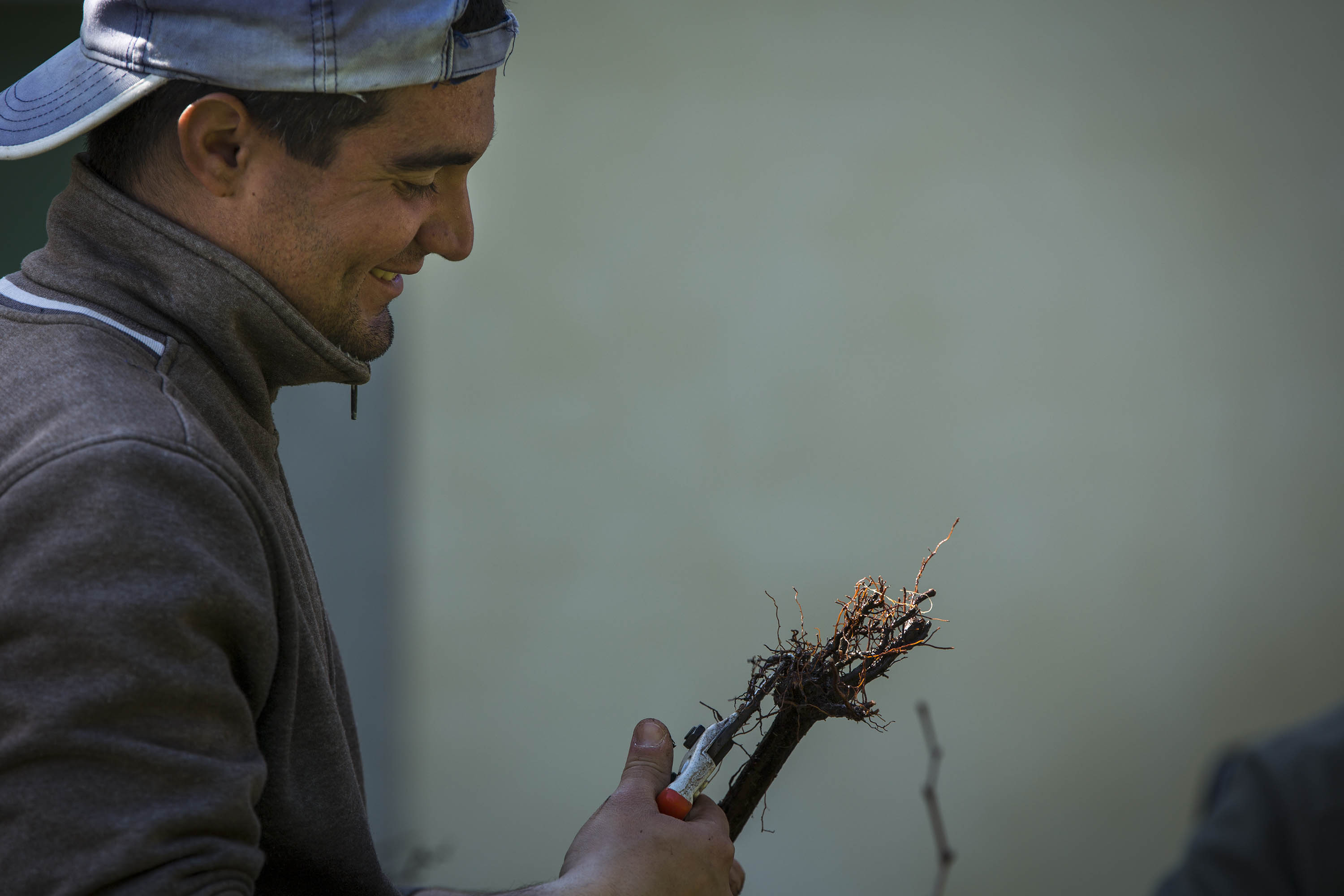
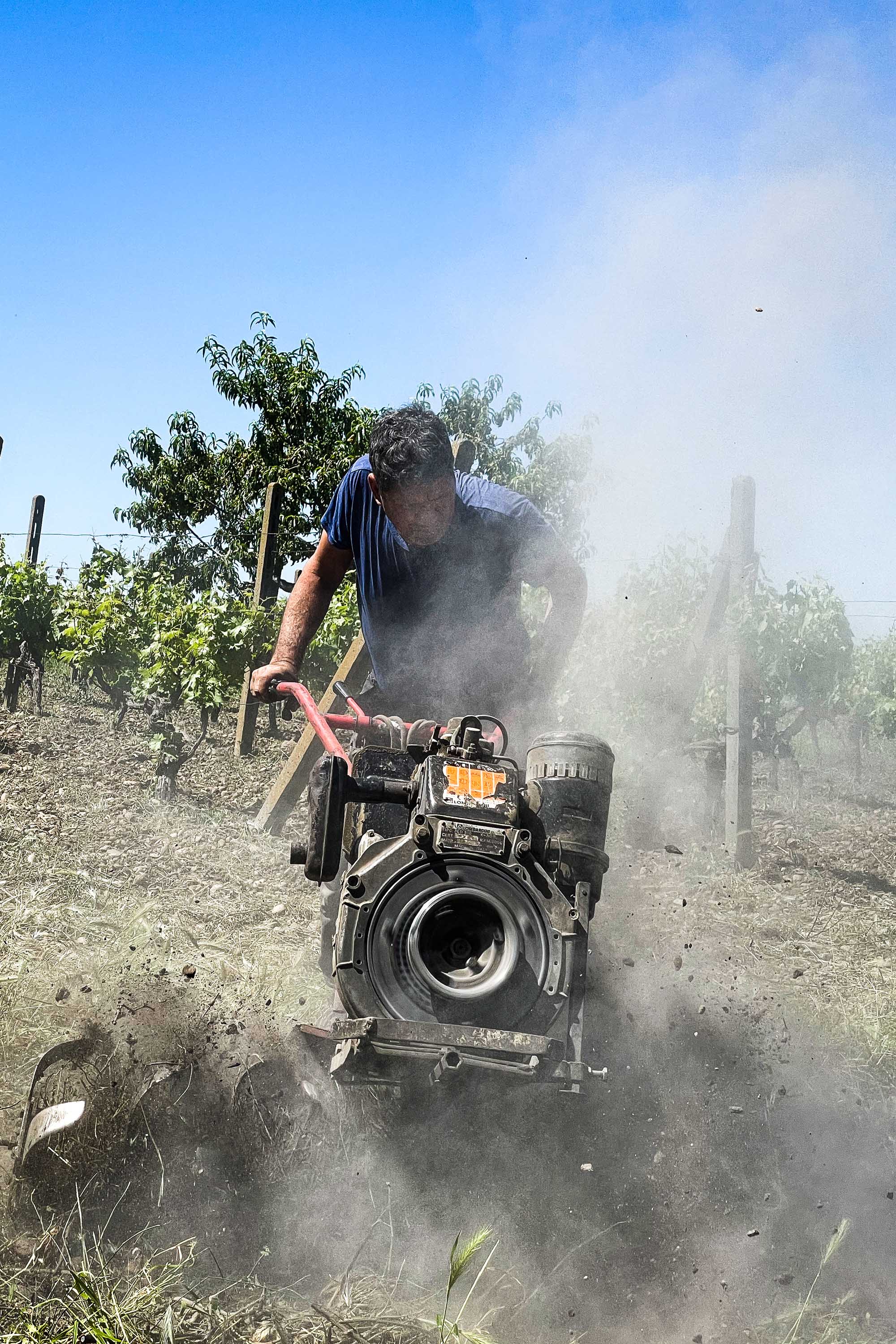
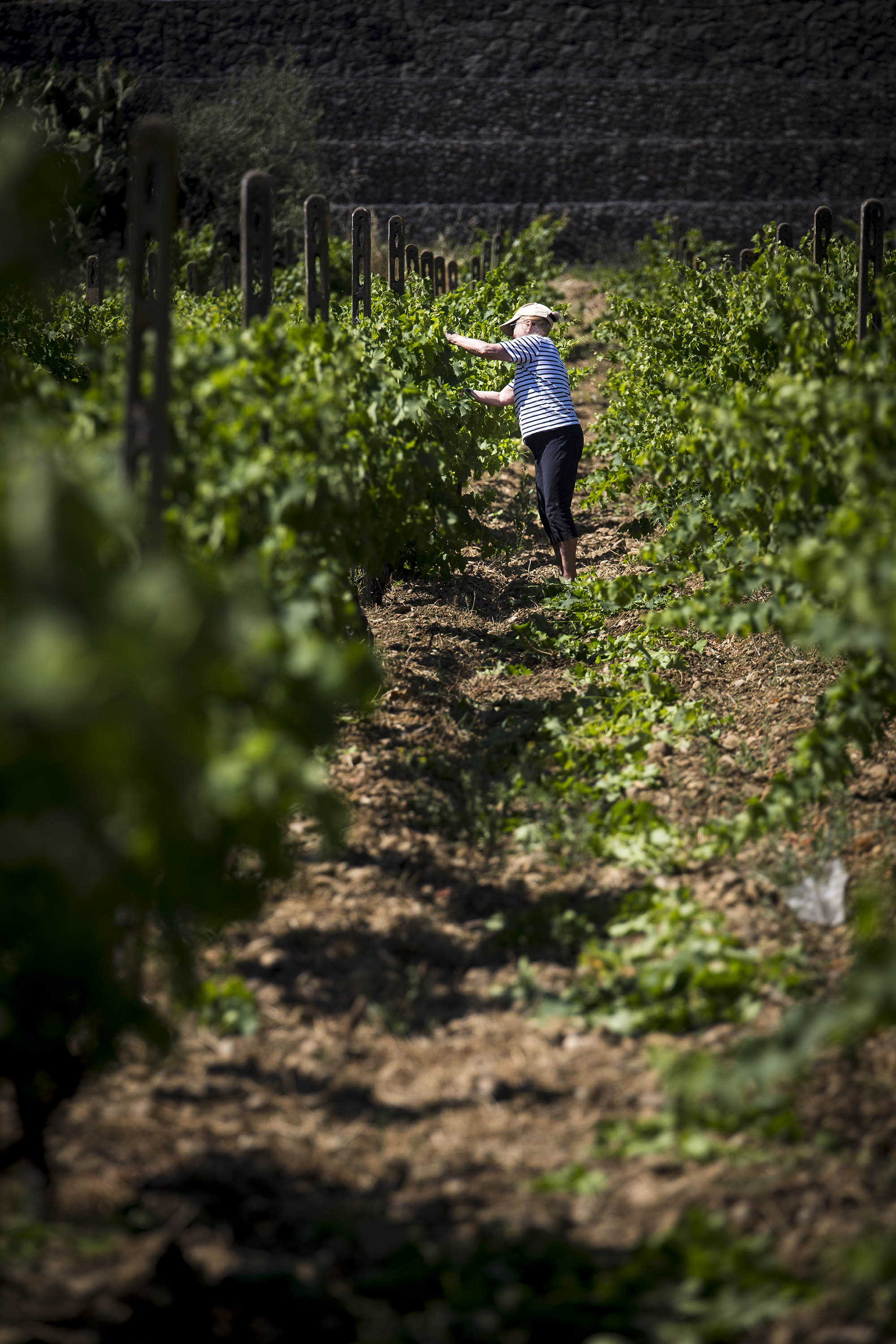
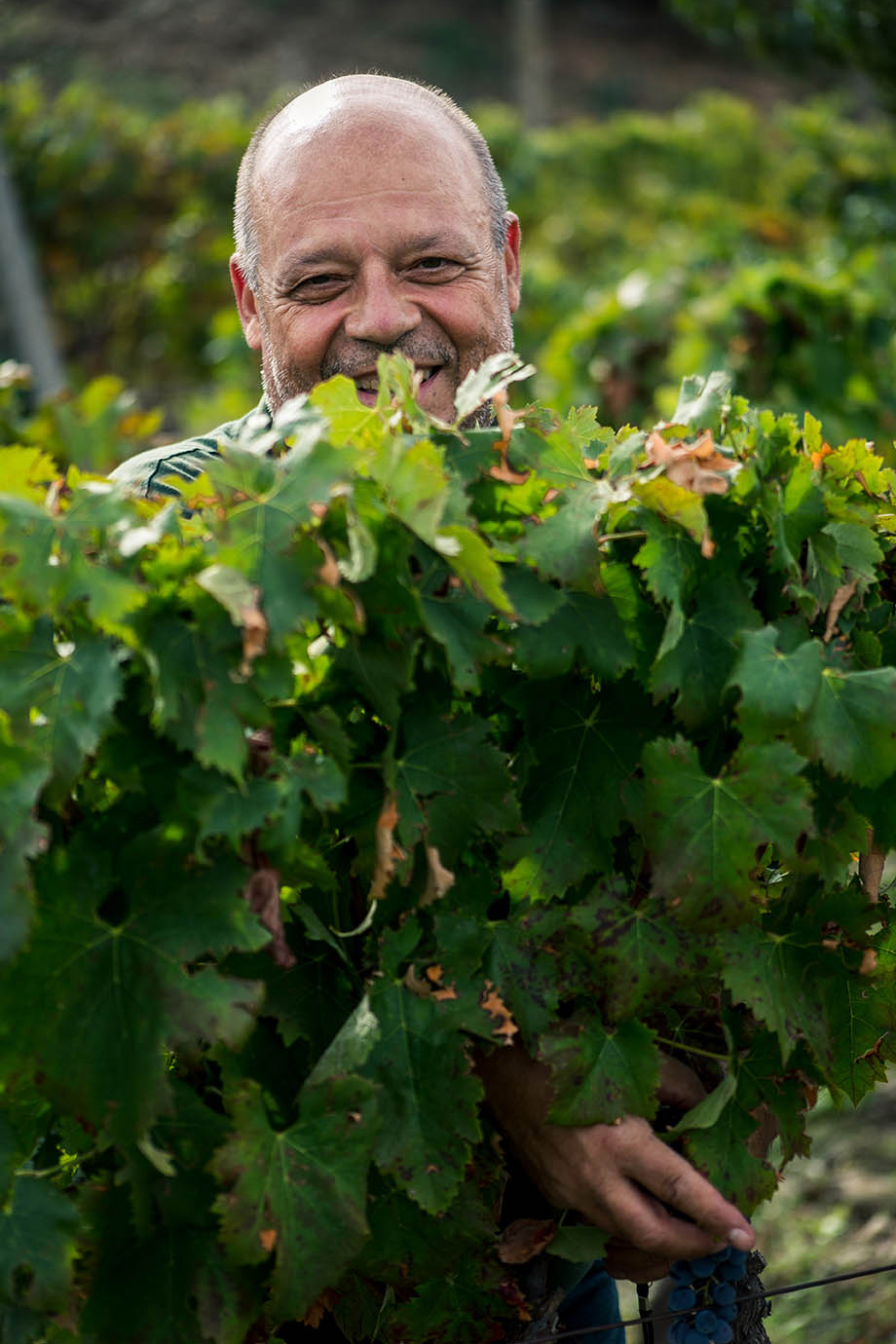
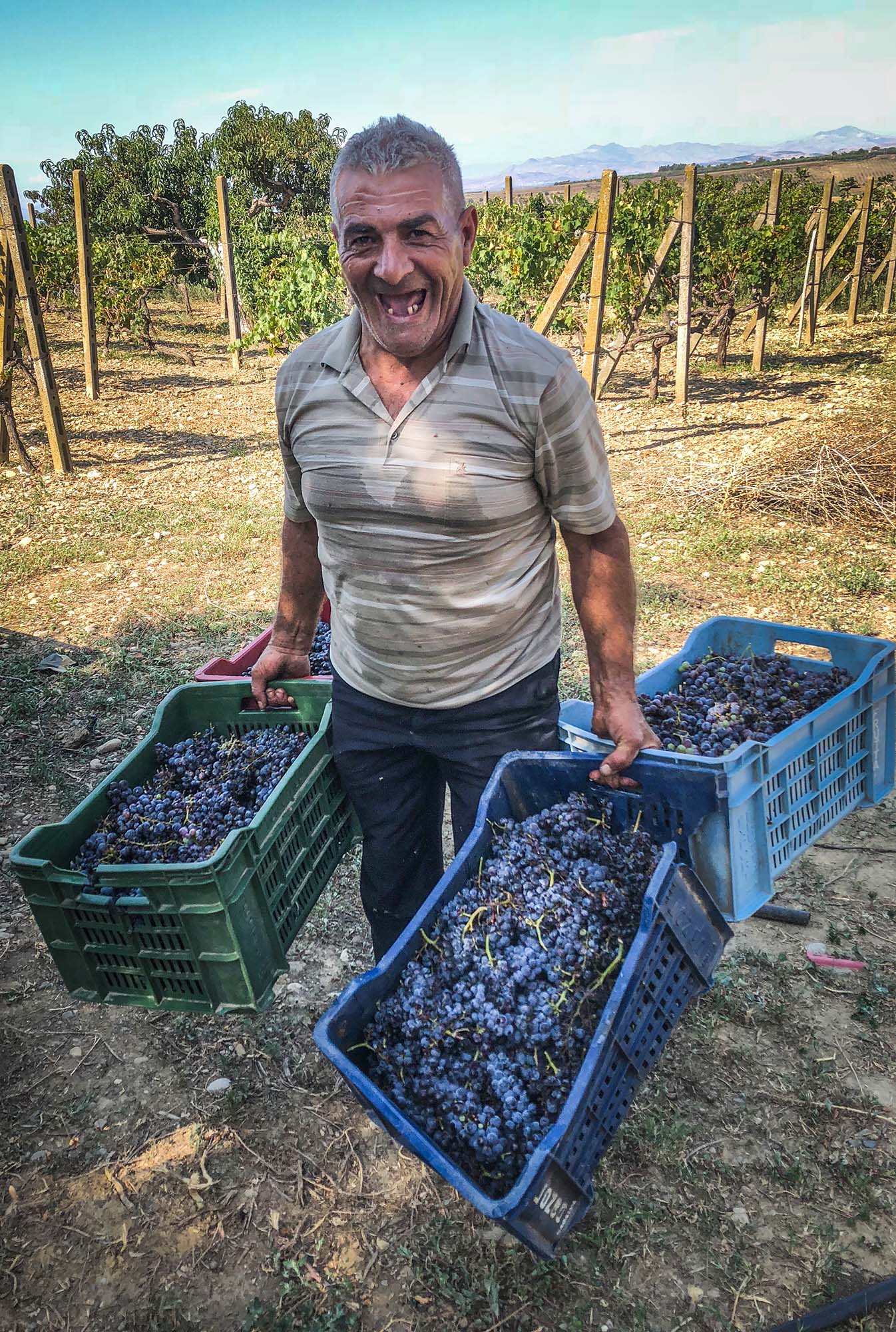
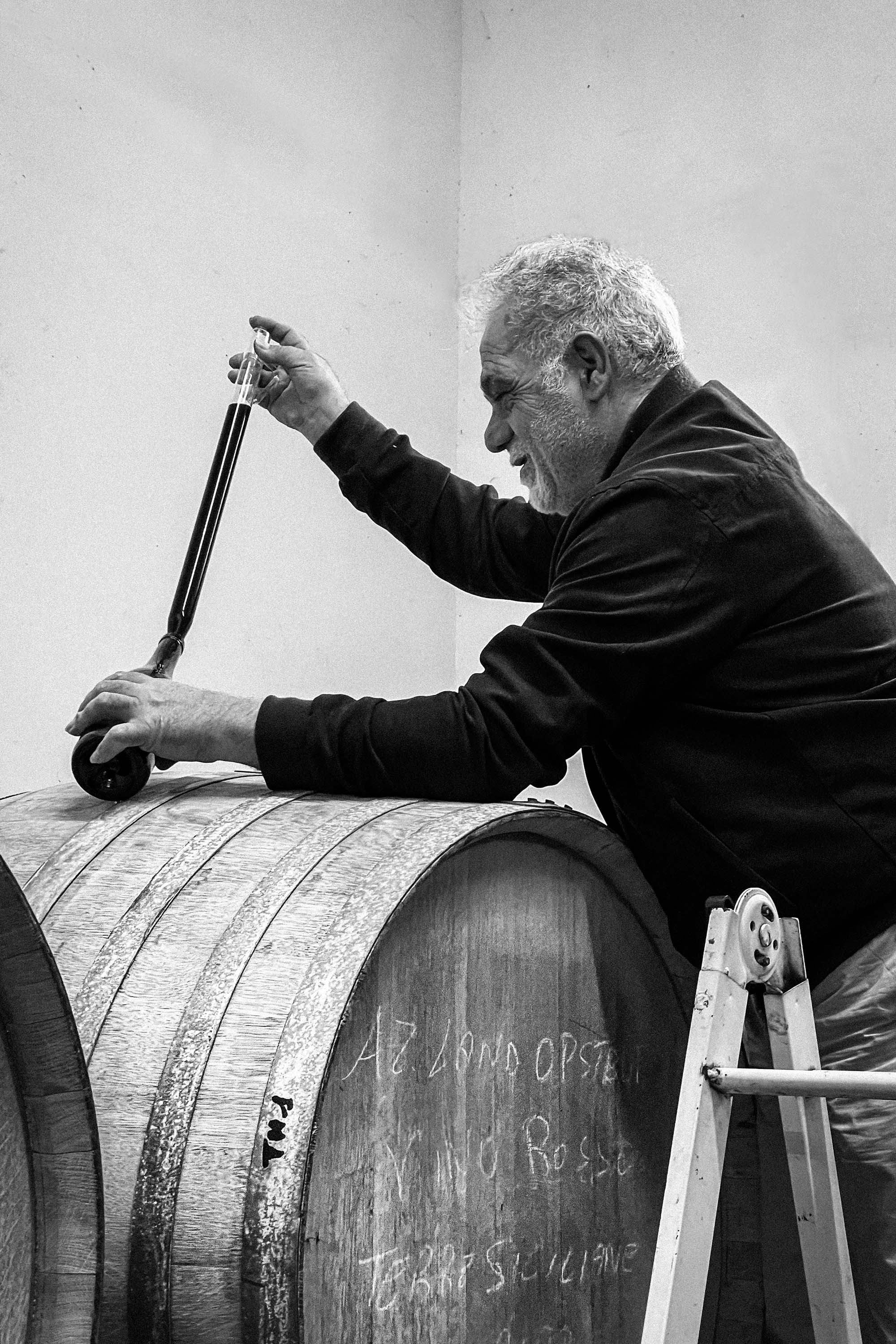
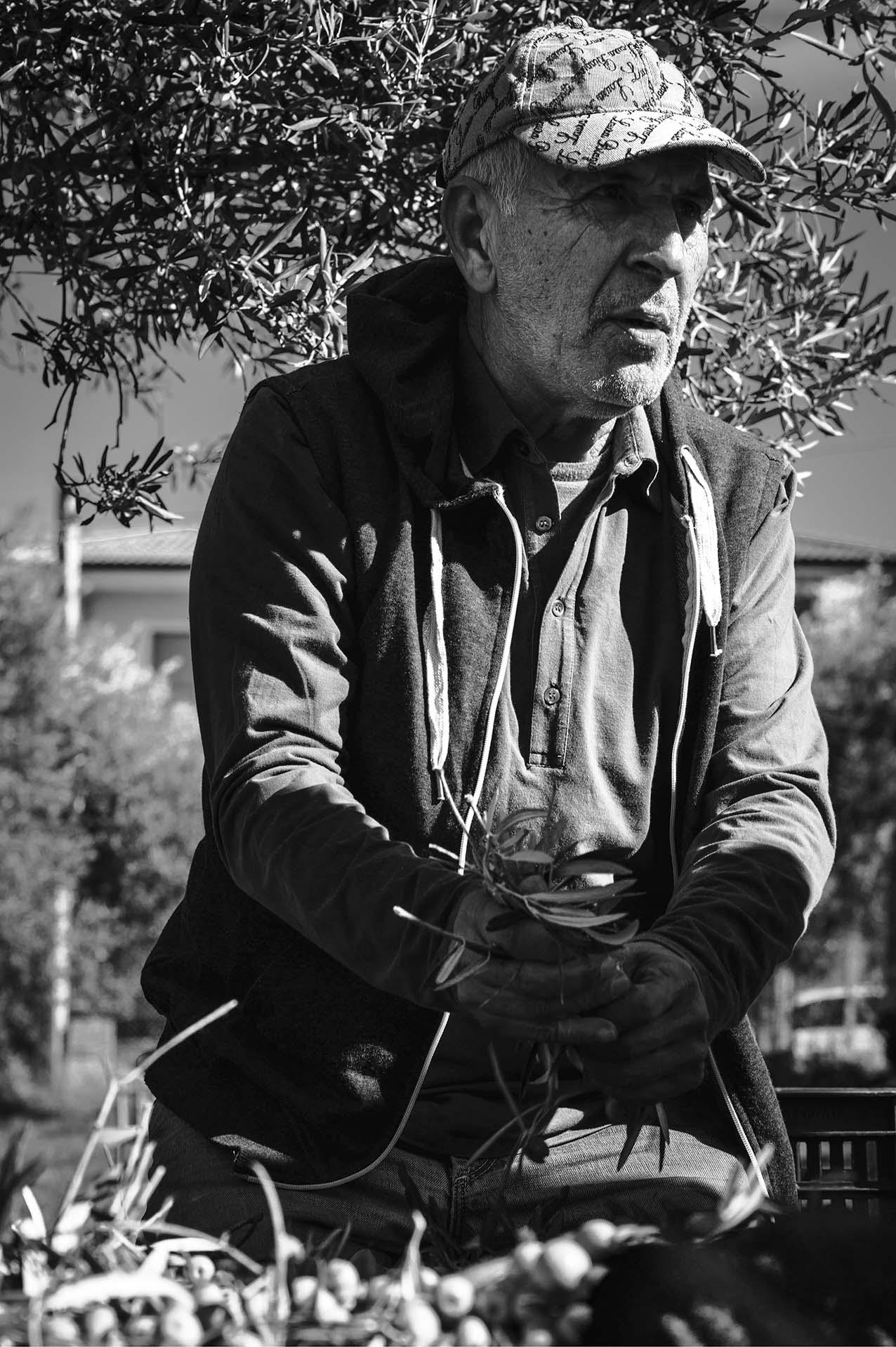
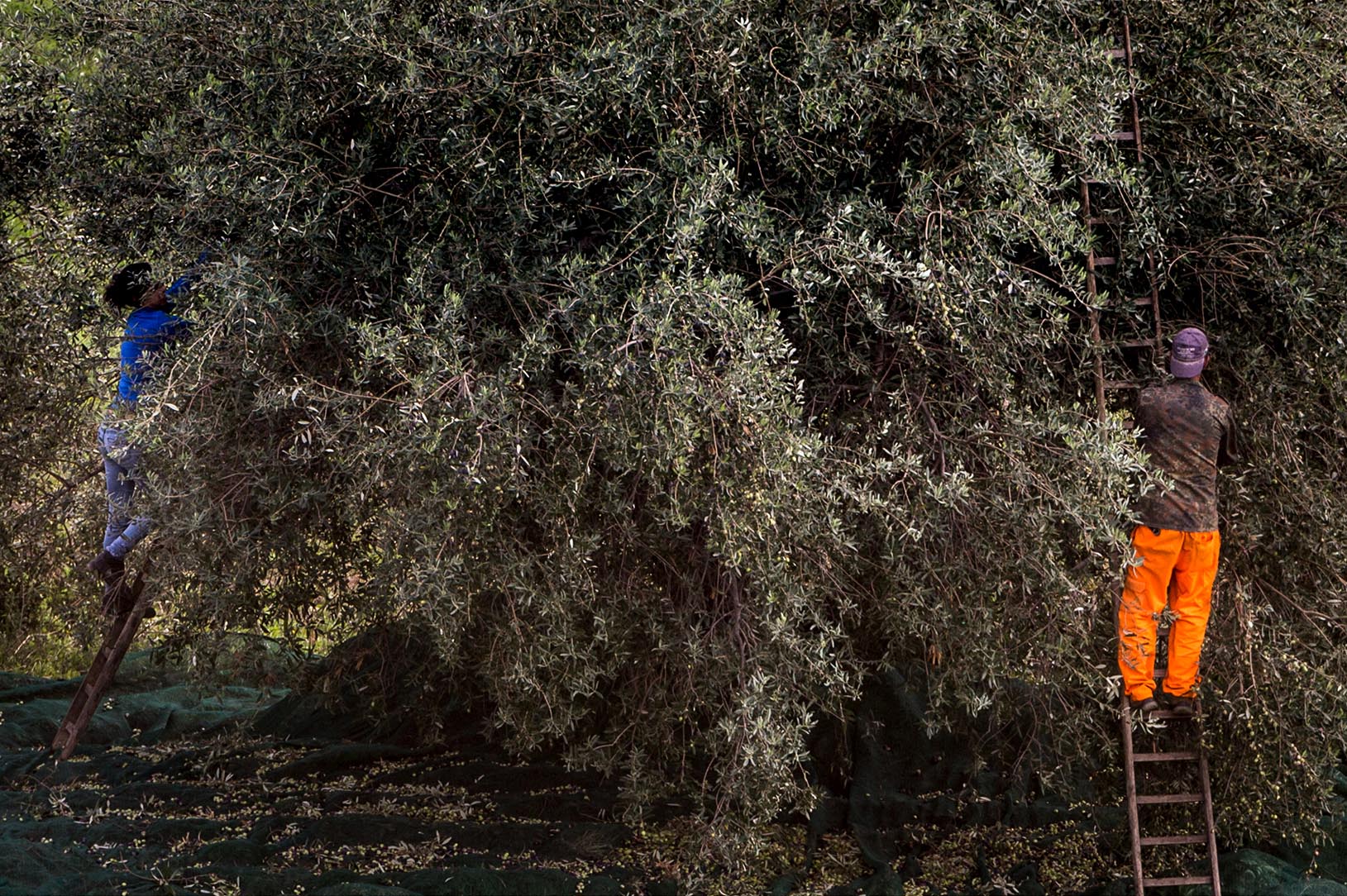
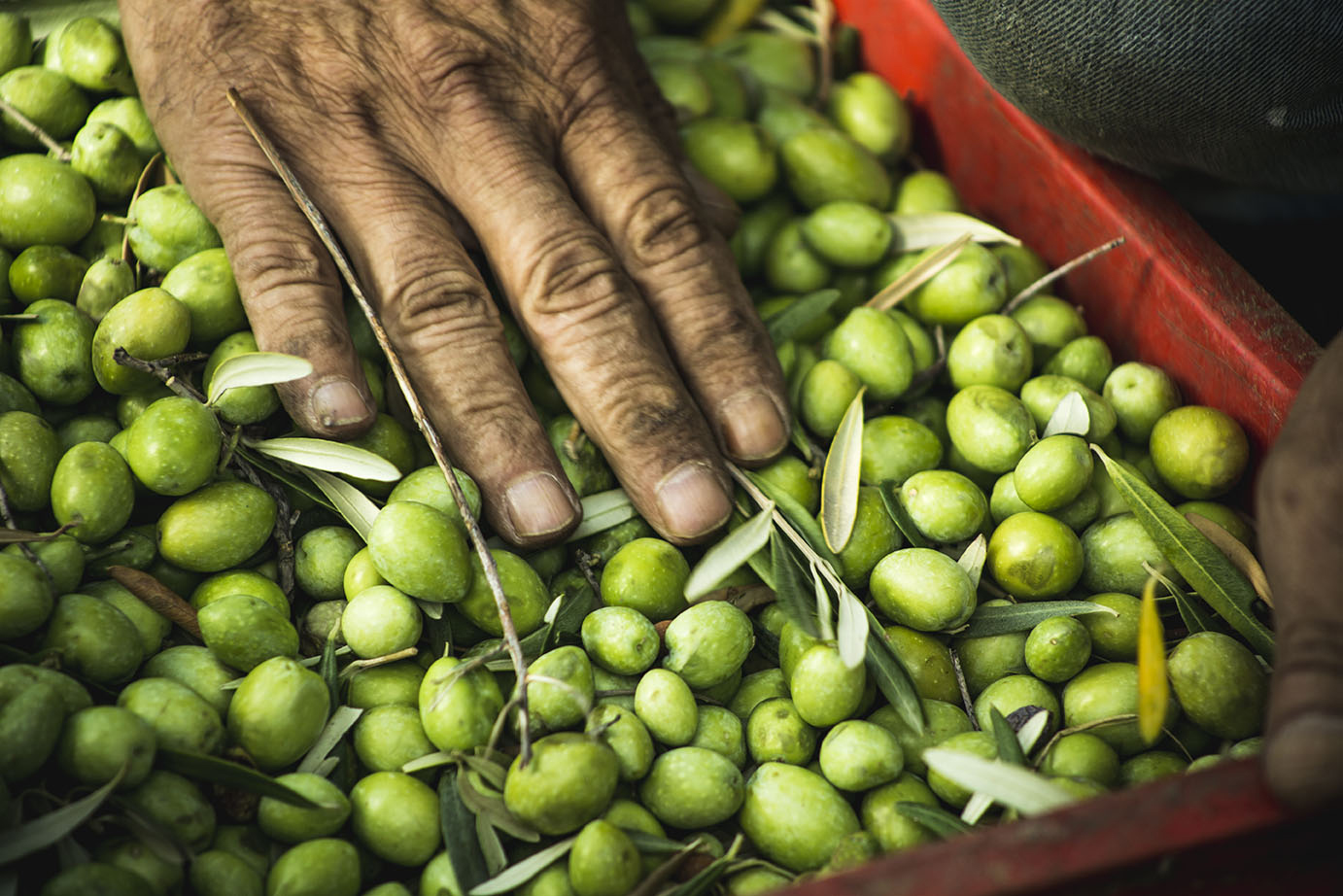
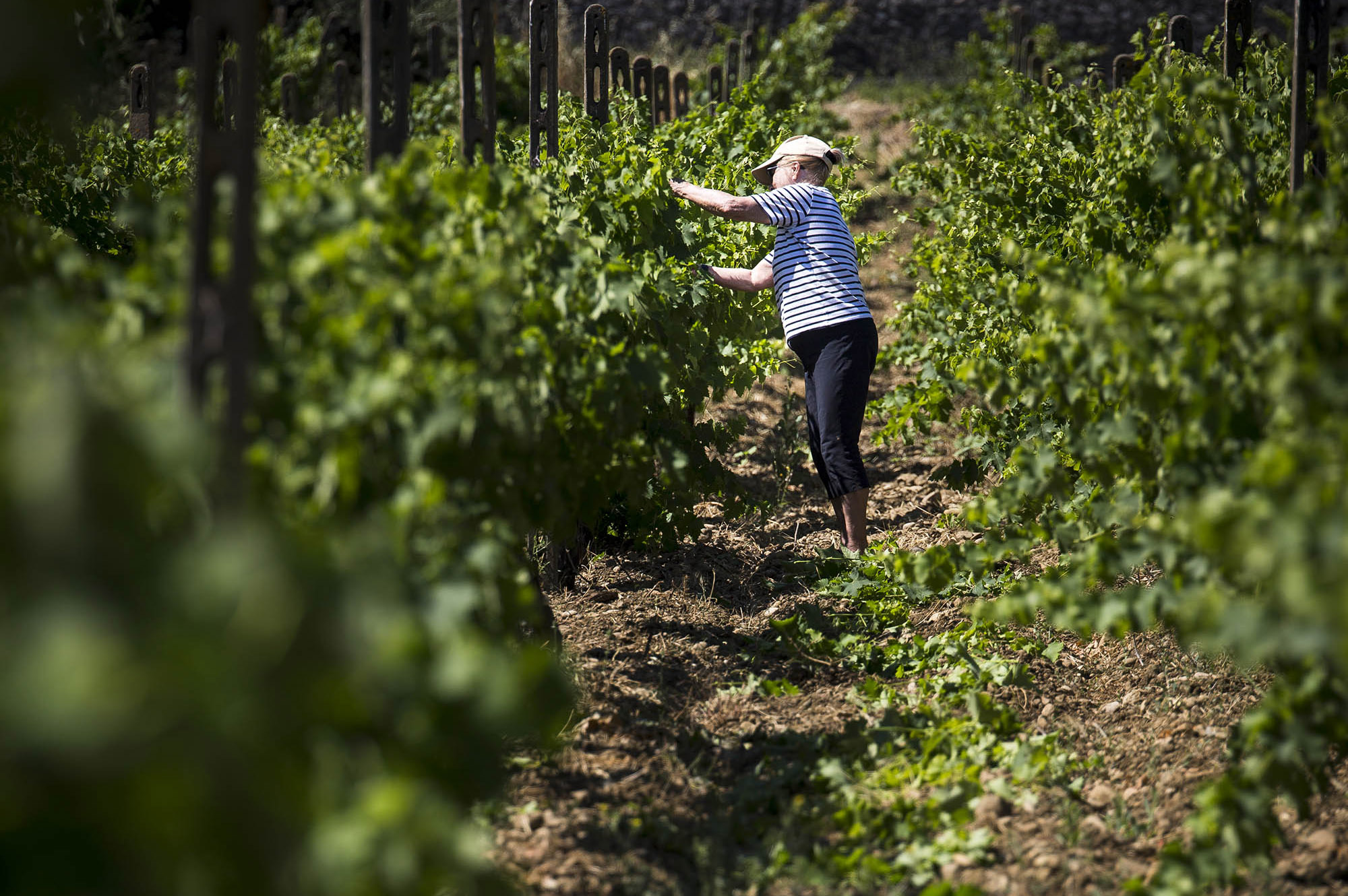
We tend the vines and olive trees by hand, following the rhythm of the seasons and giving each plant the attention it needs. Our vineyard is dry-farmed, relying on the natural rainfall rather than irrigation. In the long, dry Sicilian summers, this means very low yields and small, concentrated grapes with thick skins — the result of vines adapting to a demanding climate and producing fruit with remarkable intensity and character.
Much of the work is slow and physical — pruning, clearing, harvesting and caring for the land through the long Sicilian summer.
For the wine, we harvest the grapes by hand and work with small quantities, allowing us to follow the fruit closely from the vineyard into the cellar. The same care goes into our olives, harvested at the right moment and taken to the mill to preserve the freshness and character of the fruit.
There is no single recipe for what we make. Every harvest begins with what the land gives us that year. Our craft is to handle it with care, and to let its character come through.
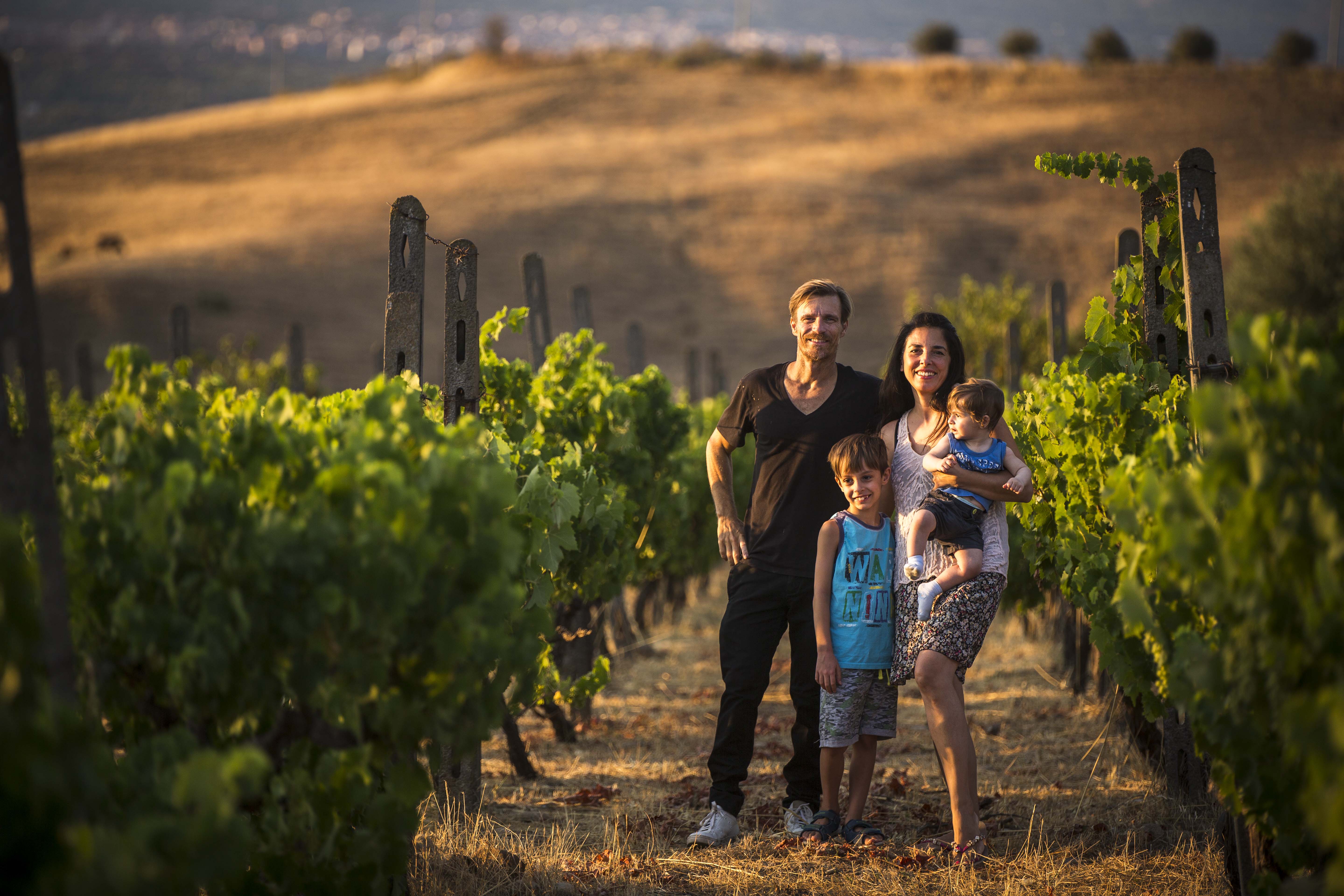
What began as a place to build a home for our family slowly became something more.
My parents became part of the project from the beginning, and what started as my dream gradually became something we could build together. Generations, different backgrounds and different ways of seeing the world came together around the same piece of land.
Today, MOTTA is still a family project. I know that I am only one part of its story. My hope is that, one day, when it is time to pass it on, there will be more here than there was when I arrived — a beautiful home, thriving vineyards and hundreds of olive trees, all rooted in the same piece of land.
Something cared for.
Something alive.
Something worth passing on.